
The UK’s infrastructure network is facing increasing pressure as more frequent and intense weather events accelerate ground movement and raise the risk of subsidence.
2026 has already been marked by unusual weather patterns, with three named storms bringing heavy rainfall, flooding and strong winds across large parts of the UK. Storm Chandra, following Goretti and Ingrid, caused widespread disruption, coastal damage and flood alerts, highlighting the growing vulnerability of ageing and already loaded infrastructure assets.
It has rained somewhere in the UK every day so far in 2026. Latest figures from the Environment Agency show that some areas have seen rainfall reach 159 per cent of the long-term average (LTA) in January, with both the south-east and south-west recording more than 150 per cent. Overall, England has received 132 per cent of its January-to-date LTA. While soils across much of the country are currently saturated, experts warn that subsidence risk remains elevated.
Relentless rainfall is part of a clear and accelerating trend towards wetter winters. Six of the 10 wettest winters in the past 250 years have occurred this century, according to the Met Office. As extreme rainfall becomes more frequent, so too does the risk of catastrophic impacts, from widespread flooding to structural damage and subsidence, placing infrastructure under growing strain.
Infrastructure specialists stress that subsidence is increasingly driven by repeated shrink–swell cycles, where prolonged dry periods are followed by intense rainfall. These cycles cause soils – particularly clay-rich ground – to expand and contract, placing progressive stress on foundations, embankments, pavements and buried structures. Climate change is making these extremes more common, increasing the likelihood of long-term ground degradation and sudden failure.
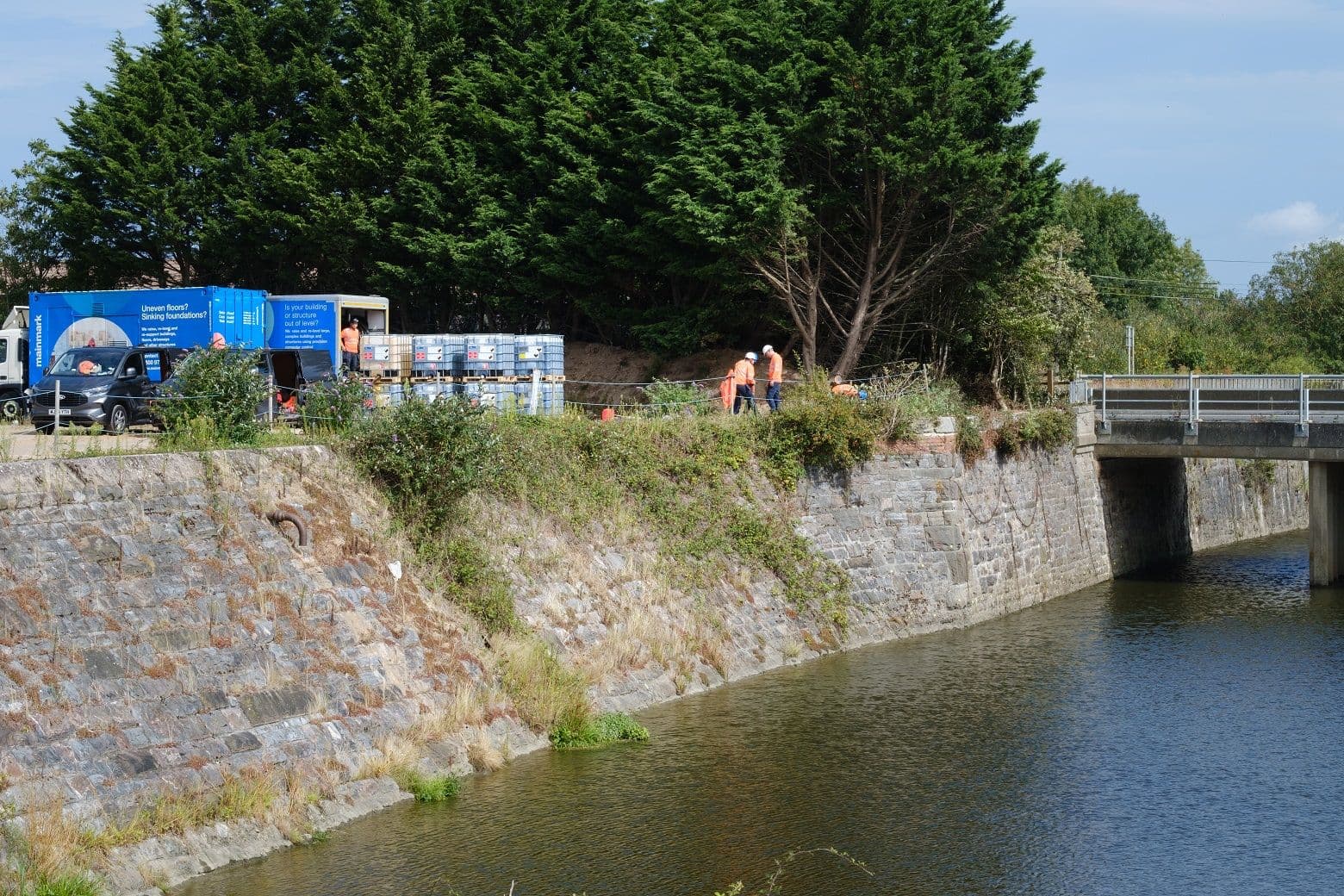
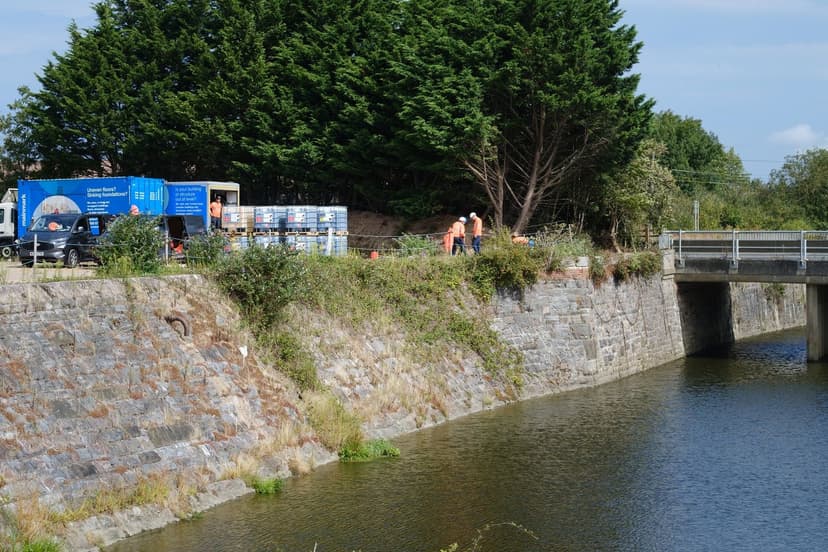
Recent major incidents underline the scale of the challenge. The catastrophic breach on the Llangollen Canal near Whitchurch resulted in a sinkhole approximately 50 metres wide, washing boats into the void and closing the canal for months. Engineers confirmed the asset had been subject to regular inspections, demonstrating how subsurface erosion and void formation can remain undetected until collapse occurs.
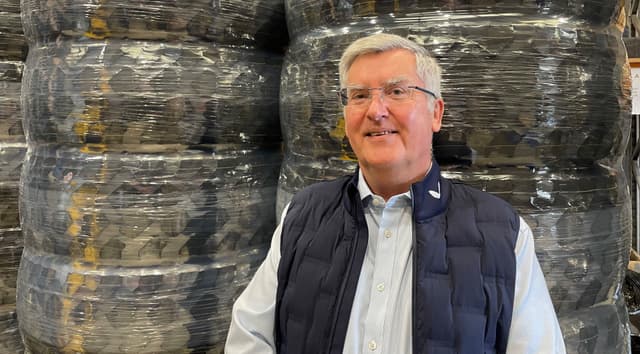
David Hedley, Commercial & Infrastructure Lead at Mainmark UK said, “Ground failure often develops slowly and invisibly. Long-term water ingress can wash out fine materials, creating voids that eventually collapse. For ageing infrastructure, early investigation and targeted ground improvement are critical to preventing sudden, high-impact failures. Changing weather is causing an increase in catastrophic events."
Across transport networks, local authorities are increasingly imposing weight restrictions to protect structurally vulnerable routes. In the Scottish Highlands, for example, permanent vehicle weight limits have been introduced on the Glen Etive route following subsidence and structural damage caused by repeated heavy traffic on a road never designed for modern loads.
Ports and harbour infrastructure face comparable risks. Constant heavy loading, vehicle movements and stacked cargo place significant strain on concrete slabs and foundations. Where ground conditions deteriorate, voids can form beneath slabs, leading to settlement, cracking and operational disruption. If left untreated, harbour subsidence presents serious safety and resilience risks.
David adds: “Flooding and extreme weather accelerate several geotechnical failure mechanisms. Floodwater can erode soil fines, forming underground voids that compromise foundations and pavements. Early intervention is essential to reduce lifecycle costs, minimise operational disruption and improve the long-term resilience of critical infrastructure as weather volatility increases.”
With infrastructure assets under growing pressure from climate change, traffic loading and ageing construction, demand for specialist ground engineering expertise is increasing. Early-stage assessment and targeted ground improvement are increasingly viewed as essential tools in protecting asset performance and avoiding costly emergency repairs.
Mainmark has delivered ground improvement, subsidence remediation and void-filling solutions for infrastructure assets, including ports, highways and industrial facilities, for more than 30 years. The company specialises in working within live environments and tight shutdown windows, delivering permanent ground stabilisation with minimal disruption and safety as the highest priority.